
PRODUCT COMPARISON · 7 min
Tofu vs Cassava Cat Litter: Which One Fits Your Market?
Side-by-side comparison of tofu and cassava cat litter: clumping, dust, biodegradability, cost, and target buyer profiles. Help your brand pick the right plant-based litter.
Decision Snapshot
What buyers should compare before ordering.
| Decision point | Tofu | Cassava |
|---|---|---|
| Best role | Plant-based SKU with reviewed disposal guidance | Lightweight or plant-based performance blend |
| Clumping | Soft to medium | Natural adhesive strength |
| Launch strategy | Use as a familiar premium plant SKU. | Use as a differentiated eco or hybrid SKU. |
Procurement Checklist
Questions to confirm with any supplier.
- Compare clumping after 10 minutes and after 24 hours.
- Check moisture resistance under humid storage.
- Confirm whether disposal claims match your market rules.
- Consider plant-based mixed formulas for premium EU positioning.
Both tofu and cassava cat litter are plant-based options for eco-positioned pet care brands. This guide helps importers, distributors, and brand owners decide which one fits their market — and which one to add as a complementary SKU.
1. Material & Composition
Tofu cat litter is made from specified soy-fiber input, a byproduct of soy milk and tofu production. It is plant-based, subject to local disposal guidance, and processed according to the selected production route.
Cassava cat litter is made from a tapioca-starch-based formula, extracted from cassava root. Industrial compostability can be tested for the approved SKU, and it is the most lightweight option in our plant-based range.
2. Clumping Performance
- Tofu: Forms soft, scoopable clumps. Breaks apart more easily than bentonite. Best for cat owners who scoop daily.
- Cassava: Forms very soft, almost gelatinous clumps. Best for sifting litter boxes with fine mesh.
Winner: Tofu is more user-friendly for daily scooping. Cassava works best with sifting boxes and owners who prefer a plant-based product.
3. Dust Level
- Tofu: ≤ 0.5% dust. The lowest in our portfolio.
- Cassava: ≤ 0.5% dust. Comparable to tofu.
Winner: Tie. Both can be specified for a low-dust target. Final dust performance and suitability wording require an approved method and product-specific evidence.
4. Disposal Guidance
- Tofu: No general flushability claim is made. Disposal instructions are confirmed for each target market and the approved specification.
- Cassava: Does not break down in water fast enough for a general flush-safe claim; dispose with household waste or industrial compost under local rules.
Buyer check: If your market expects a disposal claim, confirm the required method, wording and evidence before artwork approval.
5. Material End-of-Life
- Tofu: EN 13432 industrial compostability can be tested for the approved SKU; home composting is not recommended for used litter.
- Cassava: Industrial compostability can be tested for the approved SKU; certification depends on the formula.
Winner: Cassava for lower weight. Material choice depends on the market and specification.
6. Cost Structure (2026 FOB China)
| Material | Retail 5L | Bulk 25kg | Container (20ft) |
|---|---|---|---|
| Tofu | $3.5–5.0 | $8–12 | ~10 tons |
| Cassava | $3.8–5.5 | $9–13 | ~10–12 tons |
Tofu and cassava are priced similarly. Cassava is slightly more expensive per liter due to lower bulk density.
7. Target Buyer Profile
| Material | Best For |
|---|---|
| Tofu | Plant-based retail ranges; destination-specific claims and disposal review |
| Cassava | Plant-based brands, Japan / Korea retail, single-cat urban households. |
8. OEM Customization
Both materials are fully OEM-customizable at Redhill:
- Tofu: Granule size 1.5–3.0mm, fragrance from 30+ options, retailer documentation subject to market requirements.
- Cassava: Granule size 1.5–2.5mm, fragrance and colour options; industrial compostability testing can be arranged for the approved SKU.
MOQ: MOQ confirmed by product, assigned site, packaging, volume, and live quotation.
Key Takeaways
- Launch tofu for eco-positioned ranges in the EU and North America; disposal wording is confirmed per market and approved specification.
- Launch cassava if your market is Japan / Korea or compostability-tested positioning.
- Run both as a coordinated line if you target multiple markets with a single product line.
- For OEM, both materials support the same 1-ton trial MOQ and 15–25 day lead time at Redhill.
Downloadable Resources
Use this article with buyer-ready documents.
Share these files with your team when comparing suppliers, confirming MOQ, or preparing a private label launch.
Related products
Clumping Bentonite Cat Litter (Ball Granules)
Strong-clumping bentonite range with an agreed dust specification.
View product →
Tofu Cat Litter
Plant-based, low-dust option. Local disposal guidance applies.
View product →
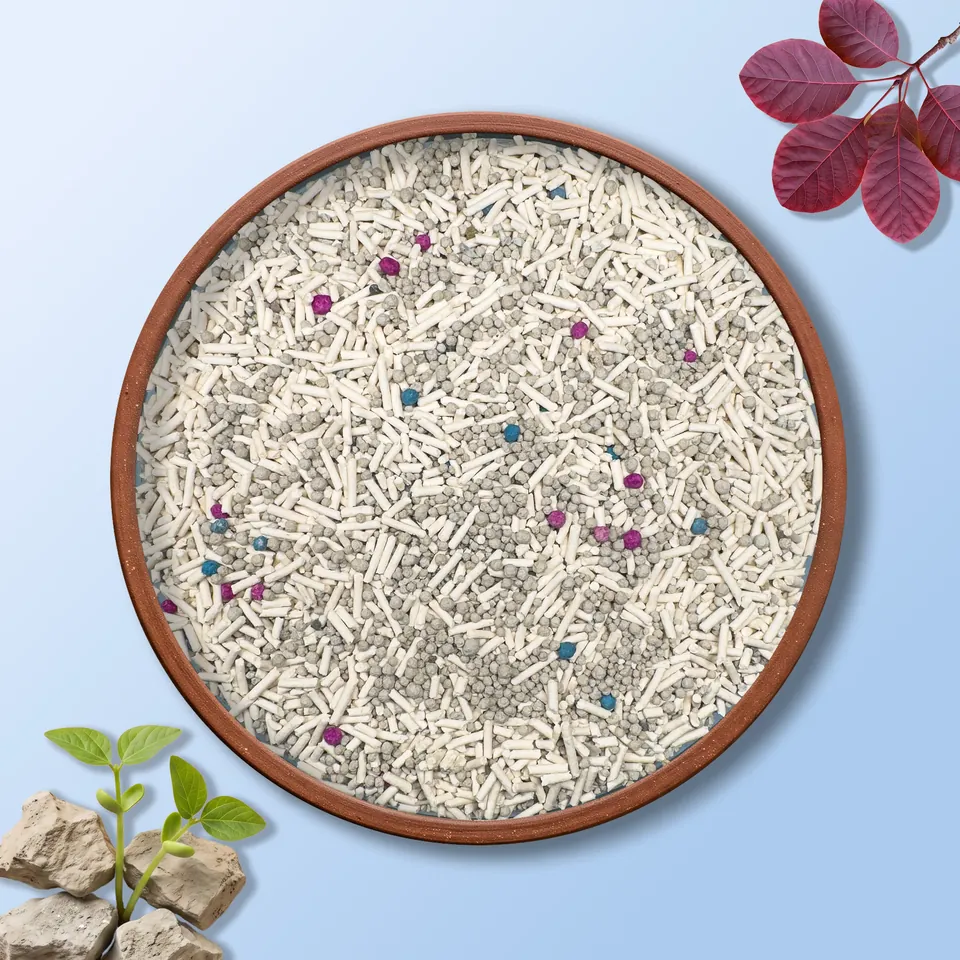
Traditional Blend
Tofu and Bentonite Mixed Cat Litter
Mainstream tofu and bentonite hybrid formulas, led by the classic 70:30 tofu-mineral blend.
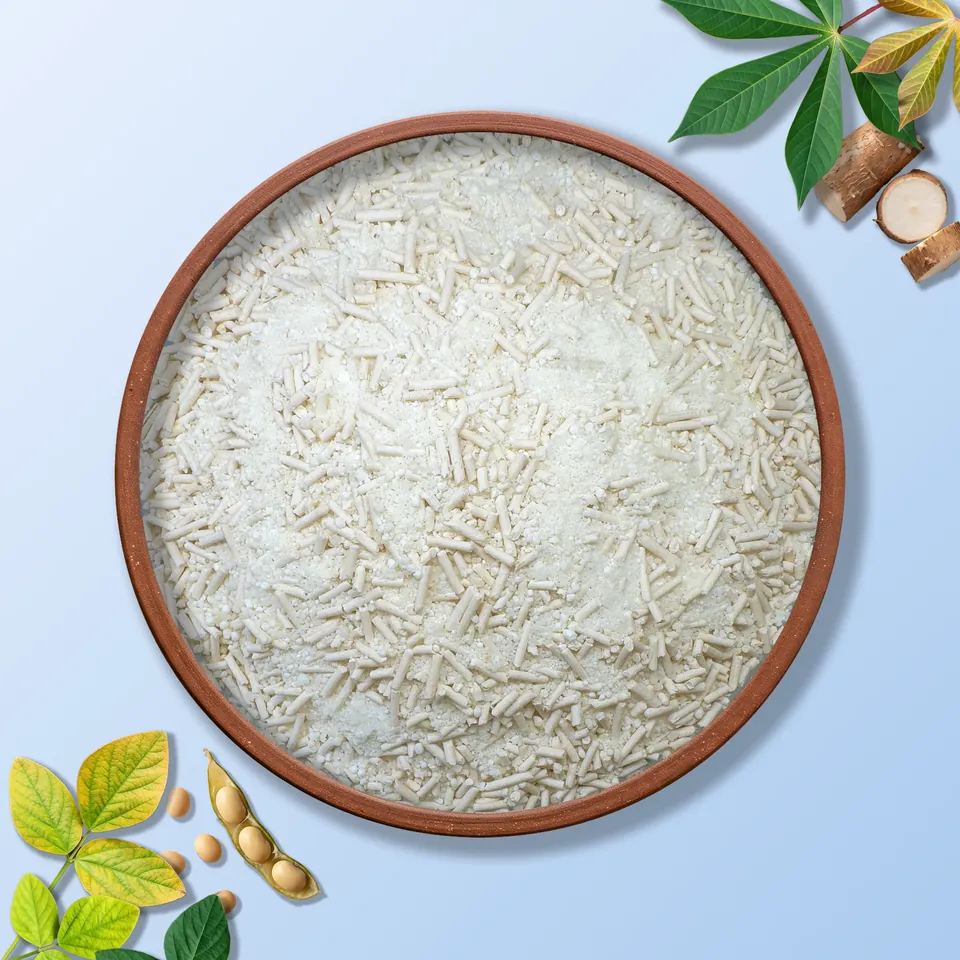
Plant-Based Hybrid
Plant-Based Mixed Cat Litter (Tofu and Cassava)
Clay-free plant hybrids using tofu, cassava, corn crumbs, plant fiber, activated carbon, or health-monitoring granules.
Frequently asked questions
Should I launch with bentonite or tofu first? +
Launch with bentonite if your market is mainstream retail and you want proven 30–50% margin. Launch with tofu if your positioning is eco, premium, or EU-compliance-led. Many brands carry both as separate SKUs.
How much more expensive is tofu cat litter per liter? +
Roughly 30–50% more expensive per liter than bentonite. Per container (20ft), tofu ships at ~10 tons vs. ~22 tons for bentonite, so transport cost per liter is comparable.